Why entrepreneurs need not be intimidated by accounting anymore
Most founders are not bad with numbers. They were just handed tools that tested their accounting knowledge before letting them do any accounting.

For decades, opening accounting software felt like sitting an exam you had not revised for. Chart of accounts? Debit or credit? Cash or accrual? The software asked these questions on the first screen, before you had recorded a single sale. The implicit message was brutal: come back when you know more.
So entrepreneurs did what rational people do when a door is locked — they walked around it. Receipts went into shoeboxes, tax season became a frantic reconstruction project, and a bookkeeper was hired to translate the business back into its own language.
The intimidation was a design failure, not a knowledge failure
Consider what a founder actually knows. They know what they sold, who they paid, and what is in the bank. That is not partial knowledge of accounting — that IS accounting, minus the vocabulary. The double-entry bookkeeping underneath is genuinely intricate, but intricacy is precisely what software exists to absorb.
- You know a sale happened. The software should decide which accounts move.
- You know a receipt is for fuel. The software should split the tax and post both halves.
- You know the bank statement is the truth. The software should reconcile everything else against it.
- You know when something looks odd. The software should flag it, explain it, and help you fix it.
What changed
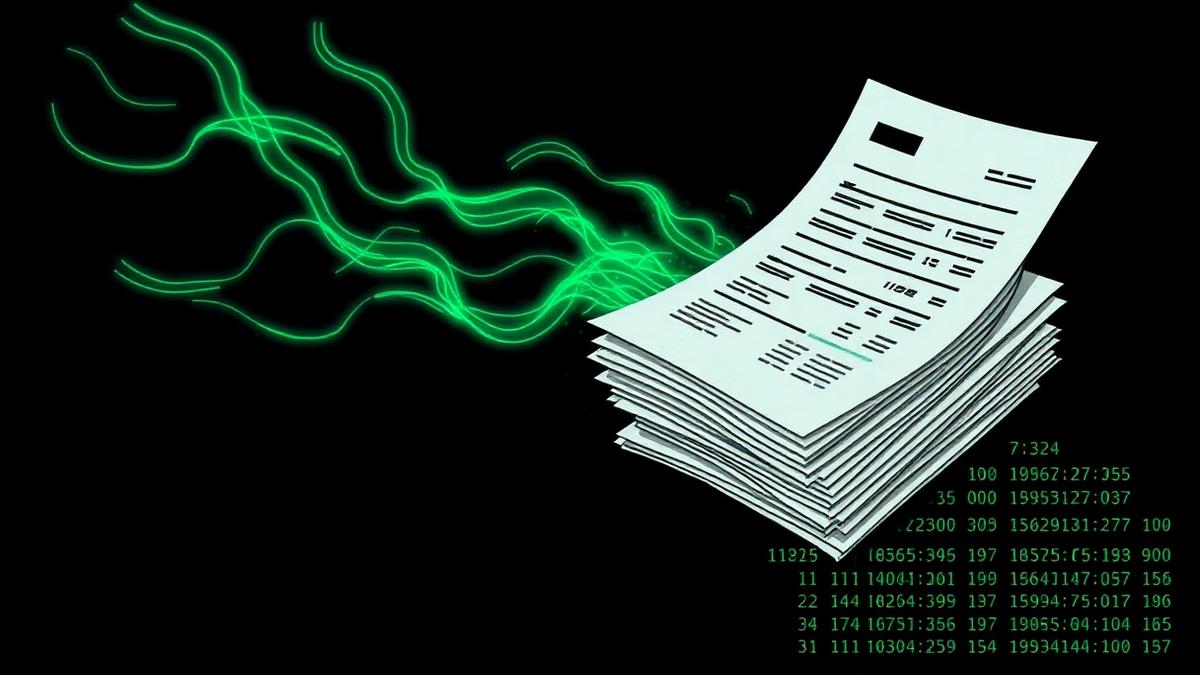
Two things matured at once. Document intelligence got good enough to read an invoice the way a human would — date, supplier, amounts, tax — and language models got good enough to explain accounting decisions in plain words. Put those inside a properly controlled double-entry ledger and the exam questions disappear. You upload what you have; the system drafts the entries, shows its working, and asks only for a yes.
The goal was never to teach everyone accounting. It was to stop requiring it as the price of clean books.
What you still need (and it is less than you fear)
Honesty about your own business: what you sold, what you spent, keeping documents instead of binning them. Curiosity: glancing at a profit and loss once a month and asking why a number moved. That is the whole job description. Controls, reconciliations, audit trails and statement formats are the system's burden now — and a well-built system carries them gladly.